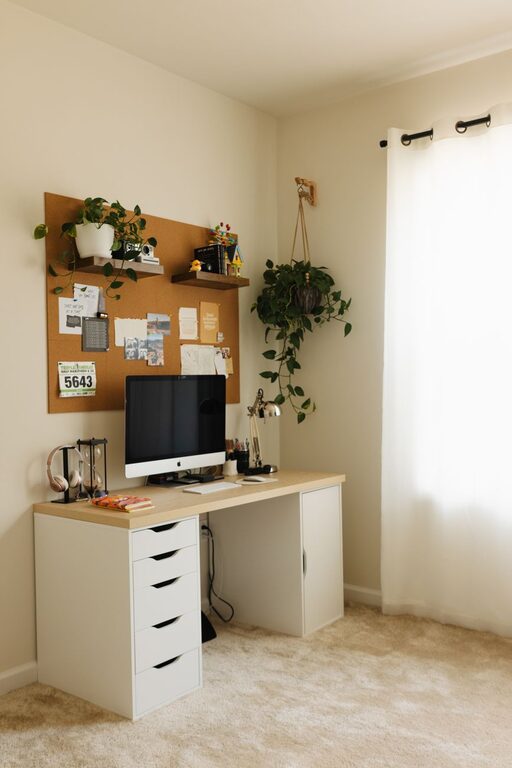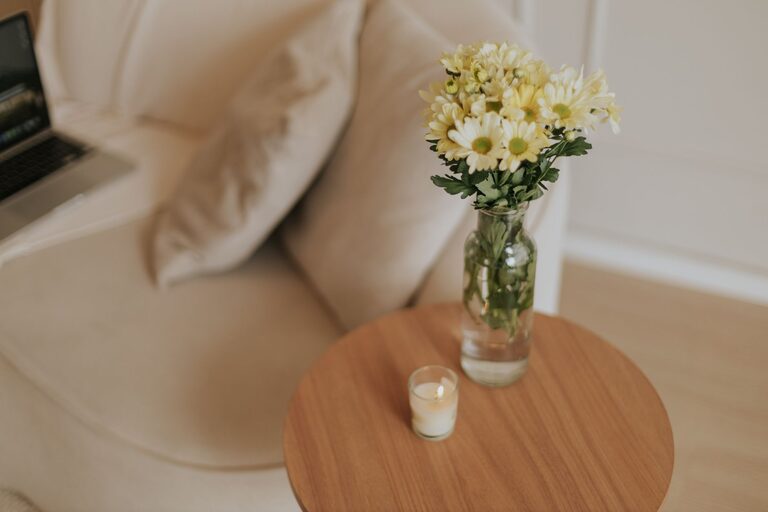


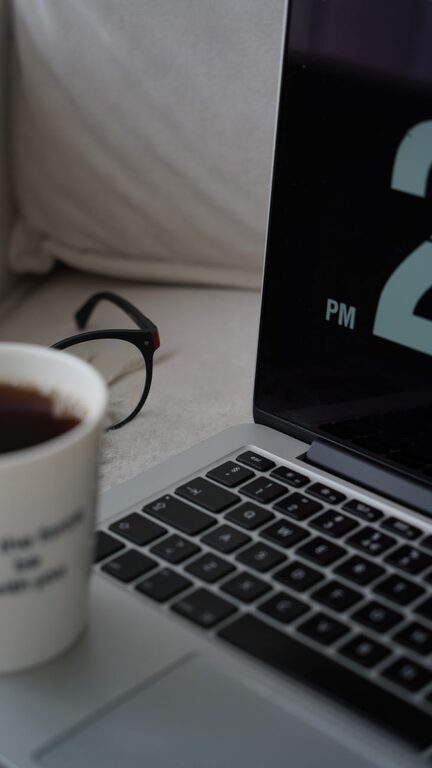
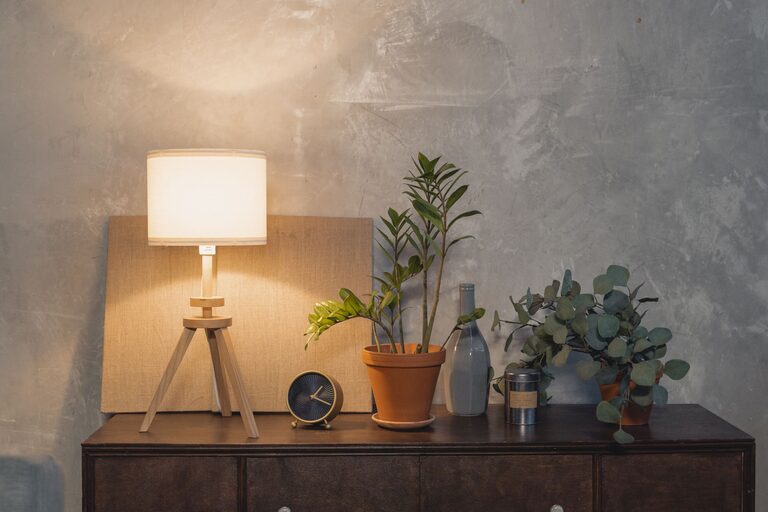
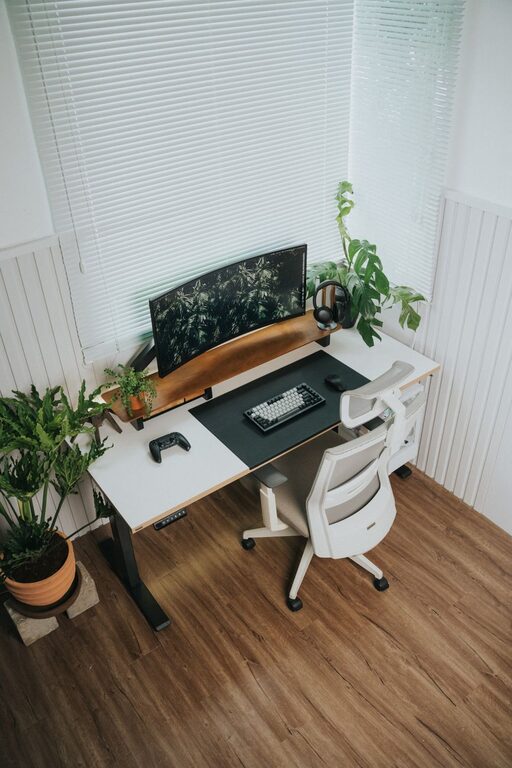
Creating a productive home office environment is key to working efficiently and feeling motivated throughout the day. Whether you’ve recently transitioned to remote work or simply want to improve your current workspace, some thoughtful adjustments can make a big difference. Here are practical tips to help you design a home office that supports focus, comfort, and productivity.
Choose the Right Location
Finding the ideal spot for your home office is the foundation of productivity. Aim for a quiet area with minimal distractions where you can concentrate on your tasks.
– Separate Space: If possible, select a room or corner away from high-traffic areas.
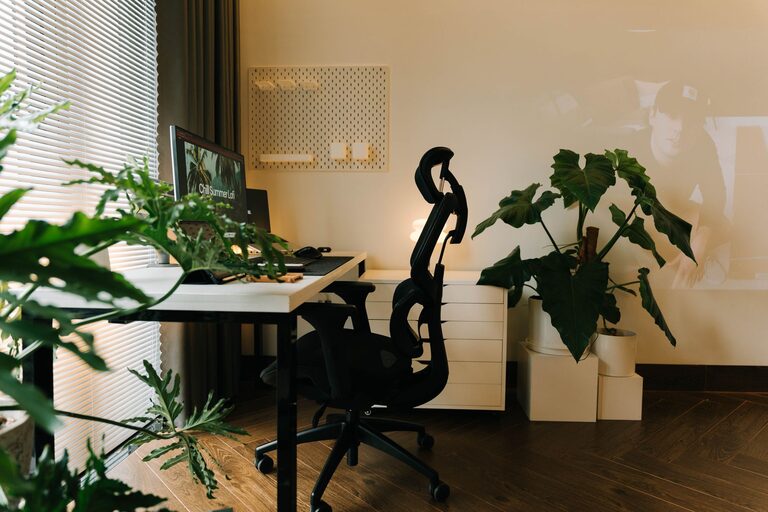
– Natural Light: Position your desk near a window to benefit from natural daylight, which can boost mood and energy.
– Privacy: Consider how much privacy you need, especially if you join video calls or have confidential work.
Invest in Ergonomic Furniture
Your physical comfort impacts how long and how well you can work.
– Adjustable Chair: Use a chair that supports your lower back and allows you to maintain good posture.
– Desk Height: Ensure your desk is at the right height so your arms rest comfortably, usually around elbow level.
– Monitor Position: Place your monitor at eye level to reduce neck strain.
– Standing Options: Try a sit-stand desk or desk converter to change positions during the day.
Organize Your Workspace
A neat and organized workspace can reduce stress and save time.
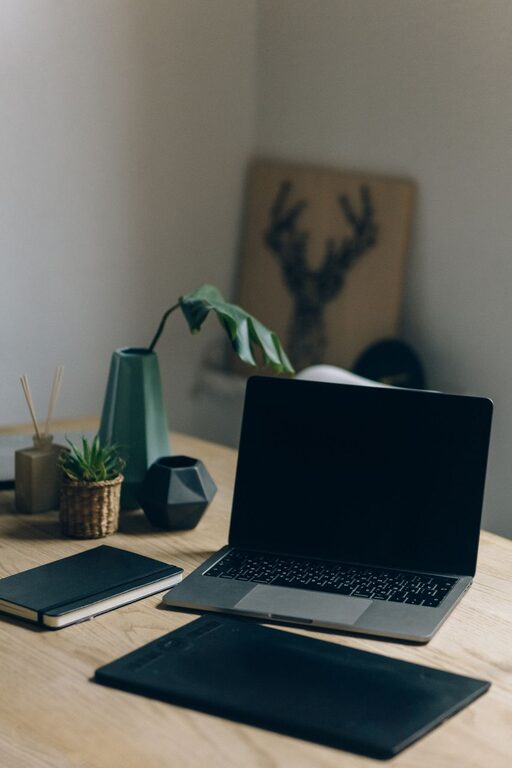
– Declutter Daily: Remove unnecessary items before and after work.
– Storage Solutions: Use shelves, drawers, or bins to keep supplies and documents orderly.
– Cable Management: Use clips or sleeves to keep cords untangled.
– Essential Tools Only: Keep frequently used tools within reach, and store others away.
Set Up Proper Lighting
Good lighting is important for reducing eye strain and maintaining alertness.
– Layer Light: Combine natural light with overhead and task lighting.
– Avoid Glare: Position screens perpendicular to windows and use blinds or curtains if needed.
– Warm vs. Cool: Use daylight bulbs or bright white lights for daytime; warmer tones can help wind down.
Minimize Distractions
Reducing interruptions helps maintain focus and workflow.
– Silence Notifications: Turn off social media and non-work alerts during focused periods.
– Noise Control: Use noise-canceling headphones or play ambient sounds if your environment is noisy.
– Set Boundaries: Let family or housemates know your work hours to minimize disturbances.
Personalize Your Space
Adding personal touches can increase comfort and make your workspace inspiring.
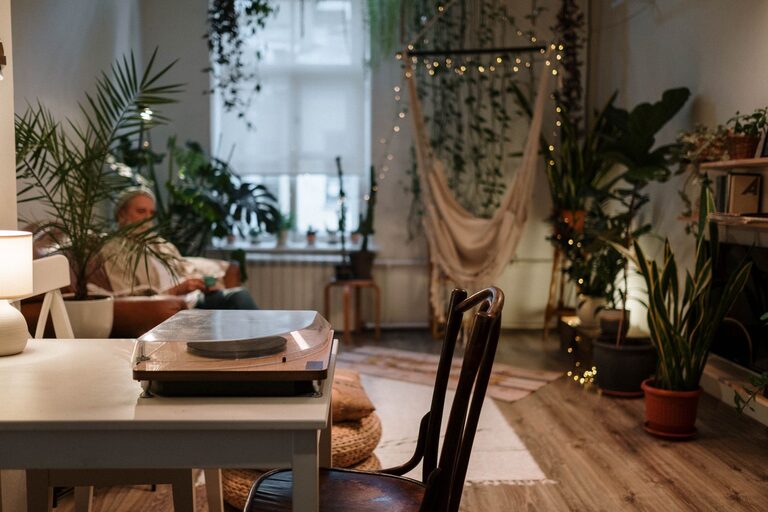
– Plants: Incorporate greenery to improve air quality and uplift the mood.
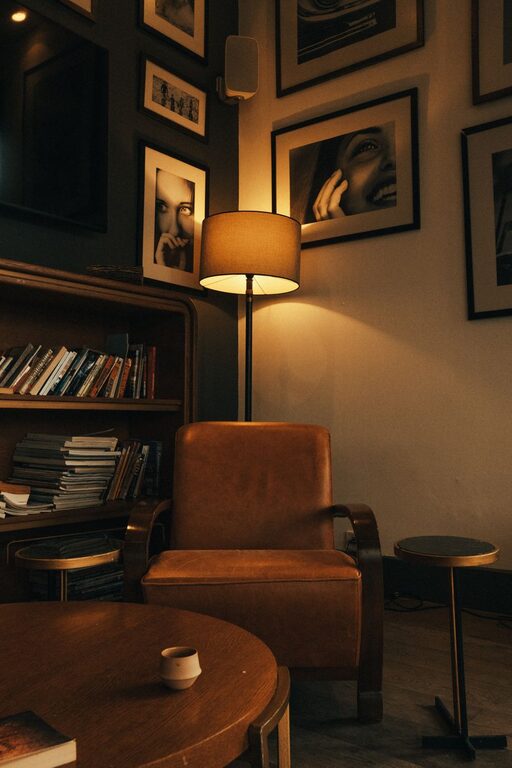
– Artwork: Hang pictures or quotes that motivate you.
– Colors: Choose colors that energize or calm you, depending on your preferences.
Establish a Routine
Creating consistent habits can help signal the start and end of the workday.
– Set Regular Hours: Stick to a schedule to maintain balance and productivity.
– Morning Ritual: Begin with a routine that prepares your mind for work, such as stretching or a cup of coffee.
– Breaks: Take short breaks to stand, move, or rest your eyes every hour.
Use Technology Wisely
Several tools can help streamline tasks and stay connected.
– Task Management Apps: Use apps like Trello, Asana, or Todoist to keep track of projects.
– Virtual Meeting Tools: Familiarize yourself with Zoom, Microsoft Teams, or Google Meet for seamless communication.
– Backup & Security: Keep your data backed up and protect your devices with strong passwords and antivirus software.
Maintain Work-Life Balance
A well-designed home office helps you separate work from personal life.
– End-of-Day Ritual: Develop a habit to “close” your workspace at the end of the day.
– Avoid Work Creep: Resist the urge to check emails or work outside scheduled hours.
– Comfort Zones: After work, spend time in a different part of your home to mentally switch off.
—
By making intentional choices about your workspace and habits, you can create a home office environment that promotes productivity, reduces stress, and supports your well-being. Start small and adjust as needed to find what works best for you.