


Creating a productive home office environment is essential for anyone working remotely or managing tasks from home. A well-designed workspace can enhance your focus, reduce distractions, and make your workday more efficient and enjoyable. Whether you are just starting to work from home or looking to improve your current setup, here are some helpful tips to create a home office that works for you.
Choose the Right Space
Selecting the right spot for your home office is the first step. Ideally, pick an area with minimal foot traffic and distractions, such as a spare bedroom, a quiet corner, or even a dedicated nook. If possible, avoid setting up your workspace in high-traffic areas like the kitchen or near the TV.
Consider natural light
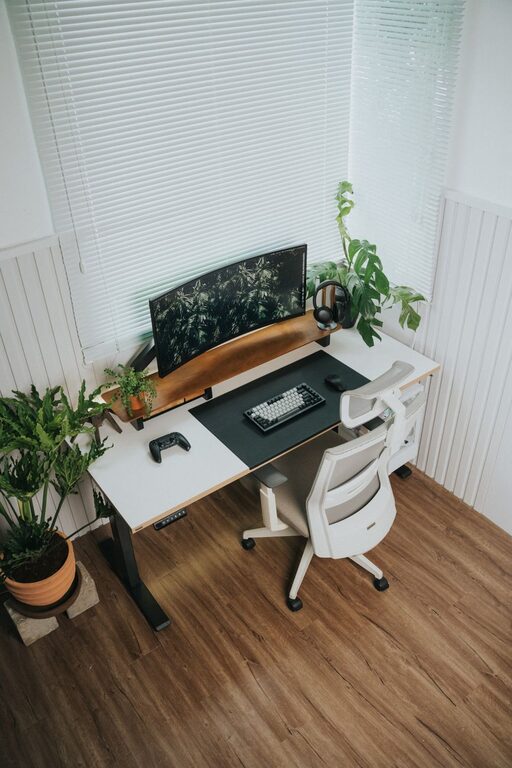
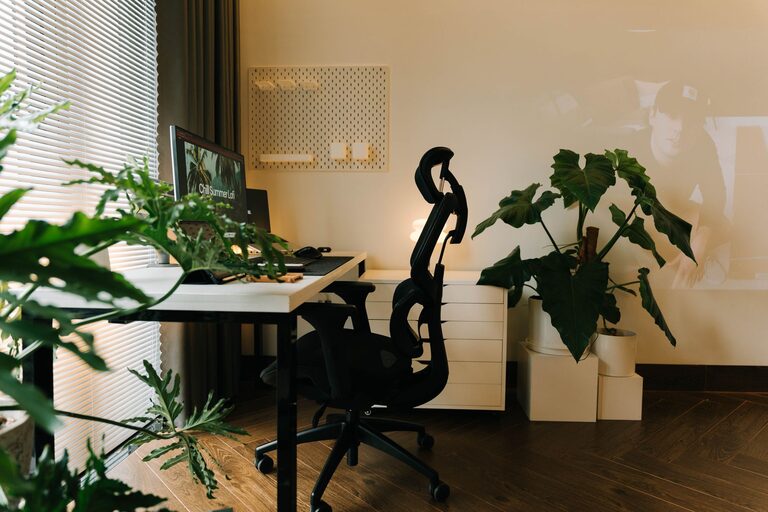
Natural light can have a positive effect on your mood and productivity. Try to position your desk near a window to enjoy daylight, but avoid glare on your computer screen.
Manage noise levels
If you live in a noisy environment, consider soundproofing options like thick curtains, rugs, or using noise-cancelling headphones. Alternatively, setting specific work hours when the household is quieter can help.
Invest in Comfortable and Functional Furniture
Comfort plays a significant role in maintaining productivity. Poor posture and discomfort can lead to distractions and fatigue.
Ergonomic chair
Choose a chair that supports your lower back and allows your feet to rest flat on the floor. Adjustable chairs help you find the best sitting position.
Desk height
Your desk should be at a height where your elbows form roughly a 90-degree angle when typing. Adjustable desks or standing desks are great options to vary your posture throughout the day.
Stay organized
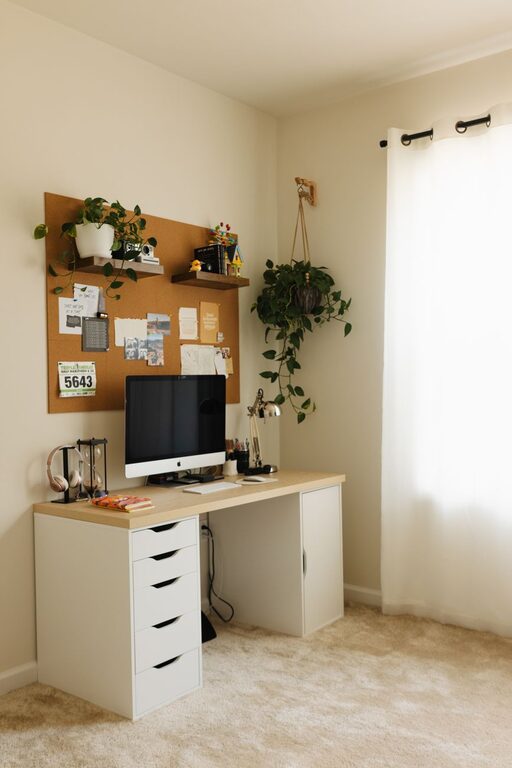
Select furniture that offers storage solutions like drawers or shelves to keep your workspace tidy and clutter-free.
Set Up Efficient Technology and Equipment
Reliable technology is vital for a smooth workday.
– High-speed internet: A fast, stable connection reduces frustration during virtual meetings and file sharing.
– Quality computer and peripherals: Use a laptop or desktop that meets your work requirements, paired with a good monitor, keyboard, and mouse.
– Printer and scanner: If your work involves paper documents, having these nearby can save time.
– Cable management: Use clips, sleeves, or under-desk trays to keep cables organized and out of the way.
Personalize Your Workspace Thoughtfully
A work environment that feels welcoming can boost motivation without becoming distracting.
– Add plants: Indoor plants improve air quality and create a relaxing atmosphere.
– Display inspiration: Hang artwork, quotes, or photos that motivate you.
– Use color wisely: Color psychology suggests blues and greens can promote calm and focus, while pops of brighter colors can add energy.
Keep decorations minimal so your workspace remains clean and professional.
Establish a Daily Routine
Creating habits and boundaries helps signal the start and end of your workday.
– Set consistent hours: Try to begin and finish work at the same times each day.
– Take regular breaks: Short breaks every hour improve focus and reduce fatigue. Use techniques like the Pomodoro method.
– Plan your tasks: Use a planner or digital tools to organize your to-do list and prioritize important tasks.
Minimize Distractions
Distraction control is key to staying productive at home.
– Turn off notifications: Silence non-essential phone and computer alerts during work hours.
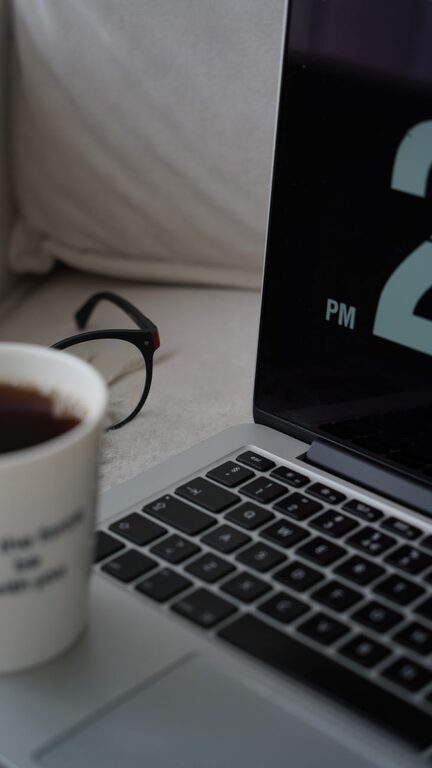
– Separate work and leisure: Avoid working from places associated with relaxation, like the bed or couch.
– Inform household members: Let those around you know your work schedule to minimize interruptions.
Maintain Good Air Quality and Lighting
Comfortable air and lighting conditions reduce eye strain and increase alertness.
– Ventilation: Open windows when possible or use air purifiers.
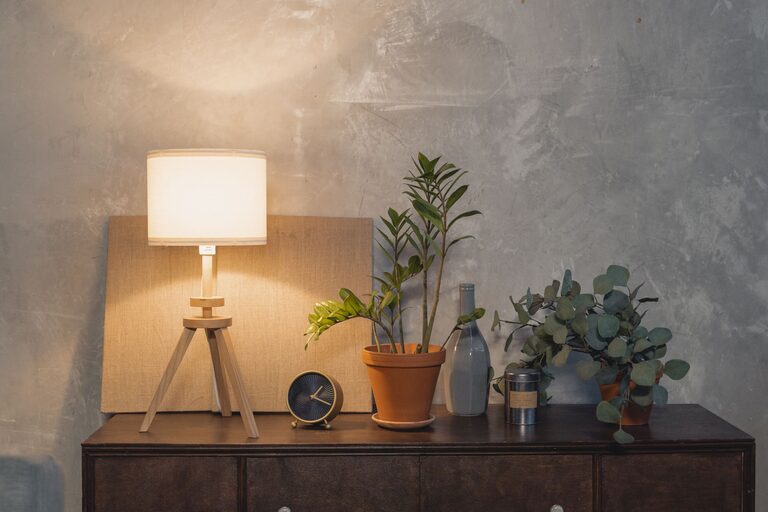
– Lighting: Use adjustable desk lamps to supplement natural light and reduce glare.
Keep Your Workspace Clean and Organized
A clutter-free workspace fosters mental clarity.
– Daily tidying: Spend a few minutes at the end of each day putting things away.
– Declutter regularly: Remove items you don’t use to free up space.
– Organize supplies: Use containers, trays, and organizers to keep essentials accessible.
—
By following these tips, you can transform your home office into a place that supports focus, comfort, and efficiency. Remember, the best workspace is one tailored to your unique needs and work style. Take time to adjust your setup as you discover what works best for you, and enjoy the benefits of a productive home office.