


Creating a relaxing home workspace is essential for maintaining productivity and overall well-being, especially when many of us spend significant time working from home. A thoughtfully designed workspace not only helps you focus but also reduces stress and increases comfort throughout your workday. In this post, we’ll explore practical tips for setting up a comfortable, calming, and efficient home office space that supports both your mental health and work performance.
Why a Relaxing Workspace Matters
A cluttered or uncomfortable work area can lead to distractions, decreased motivation, and even physical discomfort. On the other hand, a workspace that feels peaceful and well-organized encourages concentration and can improve your mood. When you feel good in your environment, you’re more likely to stay engaged and produce your best work.
Choose the Right Location
Consider Natural Light
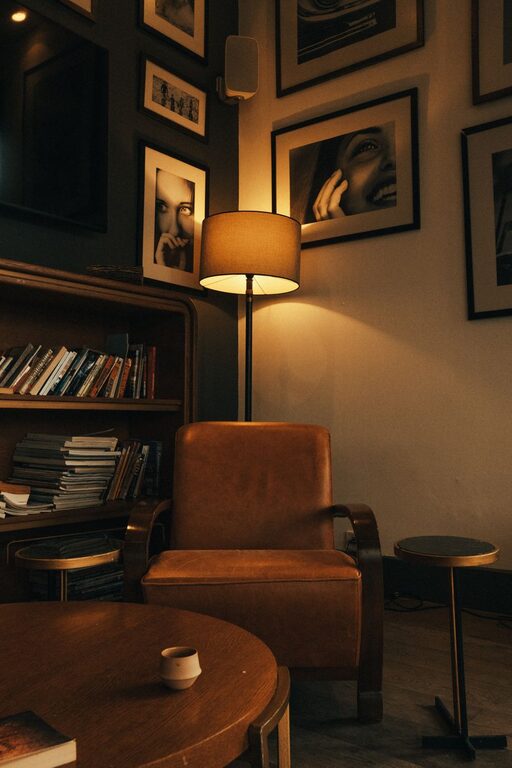
Placing your workspace near a window gives you access to natural light, which has been shown to boost mood and energy. If natural light is limited, use soft, warm artificial lighting that mimics daylight to reduce eye strain.
Minimize Noise and Distractions
Pick a quiet spot where household noises are minimal. If that’s not possible, noise-canceling headphones or a white noise machine can help create an auditory buffer, allowing you to focus better.
Prioritize Comfort with Furniture
Invest in an Ergonomic Chair
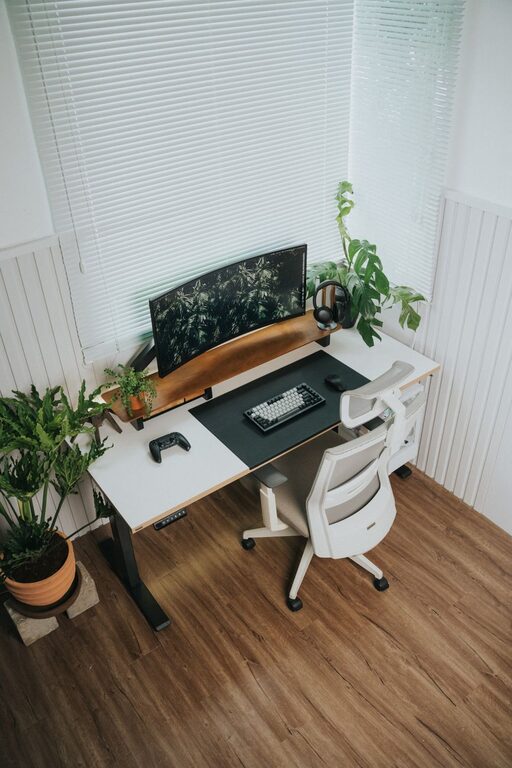
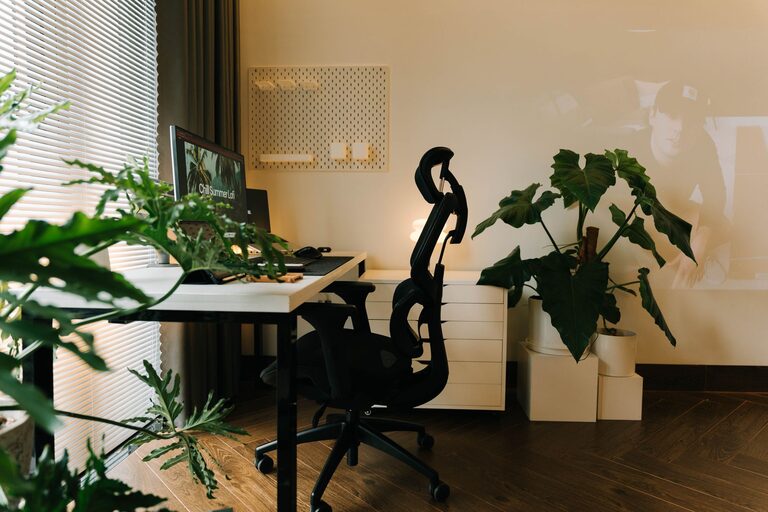
Your chair should support your lower back and allow you to sit comfortably for extended periods. Ergonomic chairs help reduce strain on your neck and spine, leading to better posture and fewer aches.
Use a Desk That Fits Your Needs
Choose a desk that suits your work style and available space. Adjustable desks that allow switching between sitting and standing positions can reduce fatigue and improve circulation.
Keep It Organized and Clutter-Free
Declutter Regularly
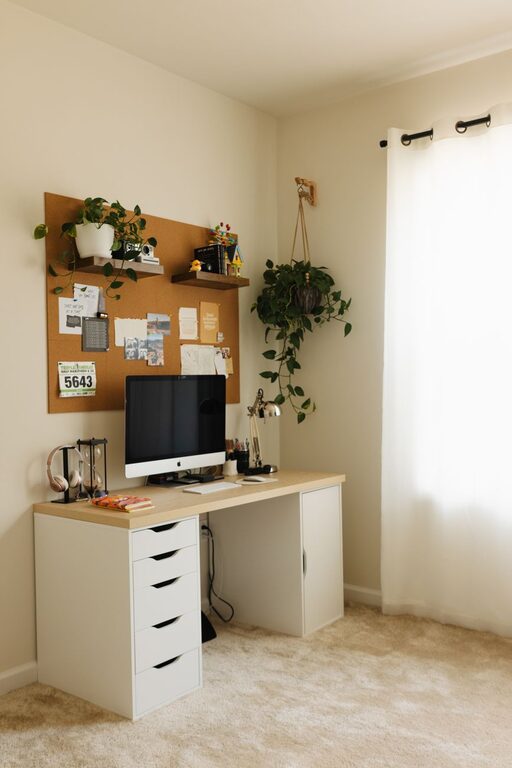
A tidy workspace encourages a clear mind. Remove unnecessary items and keep only the essentials on your desk. Use organizers, drawers, or shelves to store supplies neatly.
Use Functional Storage Solutions
Containers, filing systems, or drawer dividers help maintain order and make it easy to find supplies when you need them. Labeling storage areas can further simplify this process.
Add Elements That Promote Relaxation
Bring in Greenery
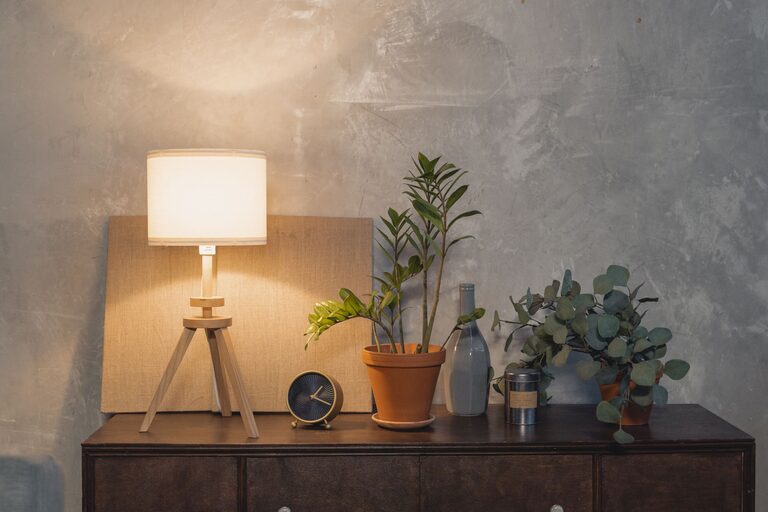
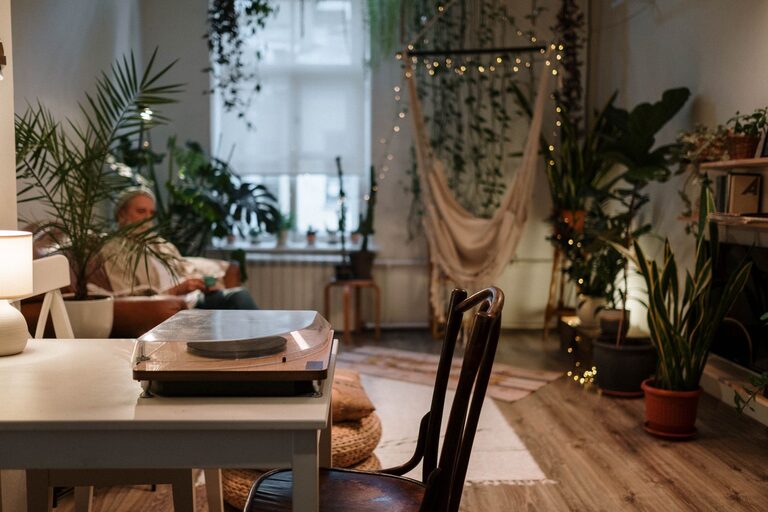
Plants not only improve air quality but also add calming natural beauty to your workspace. Easy-to-care-for plants like succulents or pothos are great options.
Incorporate Soothing Colors
Choose paint or decor in soft, neutral tones or pastels that create a peaceful atmosphere. Avoid overly bright or harsh colors that might cause visual fatigue.
Play Soft Background Music
If you find music helpful, select calming instrumental tracks or nature sounds to reduce stress without distracting from work.
Set Boundaries and Create Routine
Designate Work Hours
Keeping consistent work hours helps your mind distinguish between work time and relaxation time, reducing burnout and improving focus.
Create Rituals to Transition
Start and end your workday with small routines—like stretching or a short walk—to signal to your brain when it’s time to work and when to rest.
Personalize Your Space Mindfully
Display Meaningful Items
Add a few personal items like photos, artwork, or inspirational quotes, but keep them minimal to avoid clutter. These touches can increase motivation and make the space feel welcoming.
Use Aromatherapy
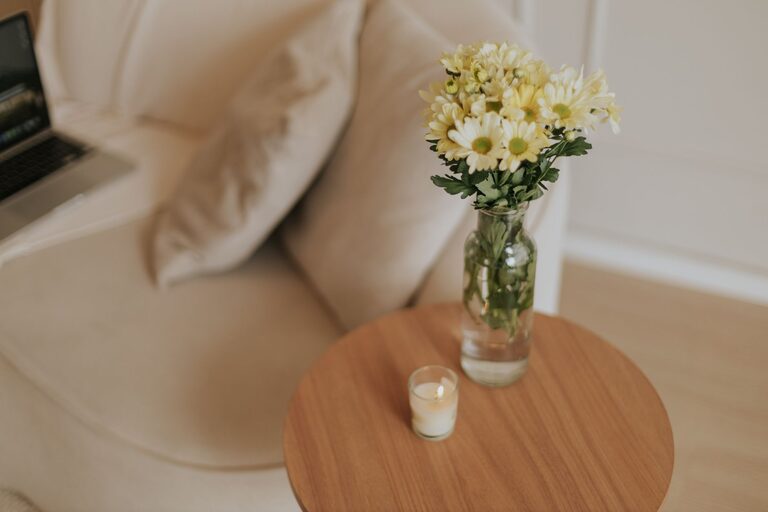
Subtle scents like lavender or eucalyptus may promote relaxation and focus. Consider an essential oil diffuser or scented candles if they’re safe for your environment.
Maintain Healthy Habits
Take Regular Breaks
Step away from your desk periodically to stretch, hydrate, and rest your eyes. Short breaks can refresh your mind and prevent fatigue.
Keep Hydrated and Nourished
Keep a water bottle nearby and snack on nutritious foods to maintain energy levels throughout the day.
Final Thoughts
A relaxing home workspace doesn’t require a complete renovation. Small changes in lighting, furniture, organization, and ambiance can make a big difference in your productivity and well-being. By investing time in creating a space that feels comfortable and inspiring, you set yourself up for success both professionally and personally.
Remember, your workspace should work for you. Feel free to adjust as your needs or preferences change, ensuring that your environment continues to support your best self.