






Creating a sustainable home garden that thrives year-round is a rewarding project for gardeners of all skill levels. Not only does it contribute to environmental health, but it also provides fresh produce, enhances your outdoor space, and promotes a sense of well-being. Whether you have a large backyard or a small balcony, you can cultivate a garden that supports the planet while bringing beauty and nourishment to your home. Here are some helpful tips to get started and maintain a vibrant, sustainable garden all year.
Plan Your Garden with Sustainability in Mind
Before planting, take some time to plan. Consider the space you have, your local climate, and the types of plants suited for your area. Focus on plants that require less water, resist pests naturally, and support local wildlife, such as native pollinators.
– Choose native or drought-tolerant plants: These plants are adapted to your region’s conditions and typically need less water and fertilizer.
– Mix edible and ornamental plants: Combining vegetables, herbs, fruits, and flowers can increase biodiversity and improve pest control.
– Design for seasonality: Select plants that grow in different seasons to keep your garden productive and attractive throughout the year.
Use Sustainable Gardening Techniques
Adopting eco-friendly gardening practices reduces your environmental impact and helps your garden thrive naturally.
– Compost kitchen and garden waste: Composting returns nutrients to the soil and minimizes landfill waste.
– Practice crop rotation and companion planting: These methods improve soil health, reduce pests, and boost plant growth.
– Mulch to conserve moisture: Organic mulch helps retain soil moisture, suppress weeds, and enrich the soil as it breaks down.
– Collect rainwater: Use rain barrels or other systems to capture rainwater for irrigation, reducing reliance on tap water.
Optimize Soil Health
Healthy soil is the foundation of a sustainable garden. Focus on nurturing your soil to ensure your plants grow strong and resilient.
– Test your soil: Know its pH and nutrient levels to amend it properly.
– Add organic matter regularly: Incorporate compost, leaf mold, or well-rotted manure to improve soil structure and fertility.
– Avoid synthetic chemicals: Use natural alternatives for fertilizing and pest control to protect beneficial insects and microorganisms.
Manage Water Wisely
Water conservation is key for sustainability, especially in areas with limited rainfall.
– Water early in the morning or late in the evening: This reduces evaporation and maximizes absorption.
– Use drip irrigation or soaker hoses: These systems deliver water directly to roots, minimizing waste.
– Group plants with similar water needs: This makes irrigation more efficient and prevents overwatering.
Extend Your Growing Season
With some clever techniques, you can enjoy fresh produce beyond the traditional growing months.
– Use cold frames or cloches: These protective covers create a warmer microclimate for plants.
– Try container gardening: Pots and raised beds warm up faster and can be moved to shelter plants.
– Plant hardy vegetables in fall and winter: Options like kale, spinach, and certain root vegetables can withstand cooler temperatures.
Encourage Biodiversity and Wildlife
A sustainable garden supports the local ecosystem, attracting beneficial insects and animals that help with pollination and pest control.
– Plant a variety of flowers to attract pollinators: Bees, butterflies, and hummingbirds will help your garden flourish.
– Create habitats: Leave some areas undisturbed or add birdhouses, bat boxes, and insect hotels.
– Avoid pesticides: Use natural pest control methods like introducing ladybugs, hand-picking pests, or using neem oil.
Practice Regular Maintenance and Observation
Keeping your garden healthy and sustainable requires ongoing care and attention.
– Check plants regularly for signs of stress or pests: Early intervention can prevent bigger problems.
– Prune appropriately: Remove dead or diseased branches to promote healthy growth.
– Rotate crops yearly: This prevents soil depletion and disease buildup.
– Keep a garden journal: Track what works well and what doesn’t to improve your approach over time.
Reduce Waste and Reuse Materials
Minimizing waste in your garden benefits the environment and saves money.
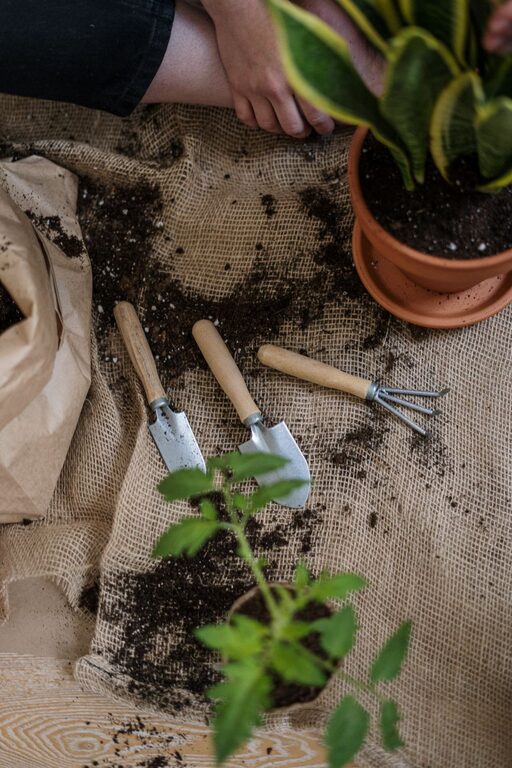
– Reuse containers and tools: Repurpose tubs, pallets, or broken pots for planters or garden structures.
– Save seeds from healthy plants: Growing your own seeds reduces the need to buy new ones.
– Recycle garden trimmings: Use trimmings for compost or mulch instead of discarding them.
—
By following these tips, you can develop a sustainable home garden that not only provides food and beauty year-round but also contributes to the health of the planet. Remember, sustainability in gardening is about working with nature, making thoughtful choices, and enjoying the process of growing your own green space. Happy gardening!